Curated feeders
A short, considered range instead of endless listings. Every feeder is chosen for build quality, quiet running and parts you can actually clean.
Concept demo by Exergist. This domain and brand are available. Learn more
Automated feeding, made simple
KittyEats compares and sells the best automated feeders, water fountains and portion tools so your cat eats right whether you are home or away.
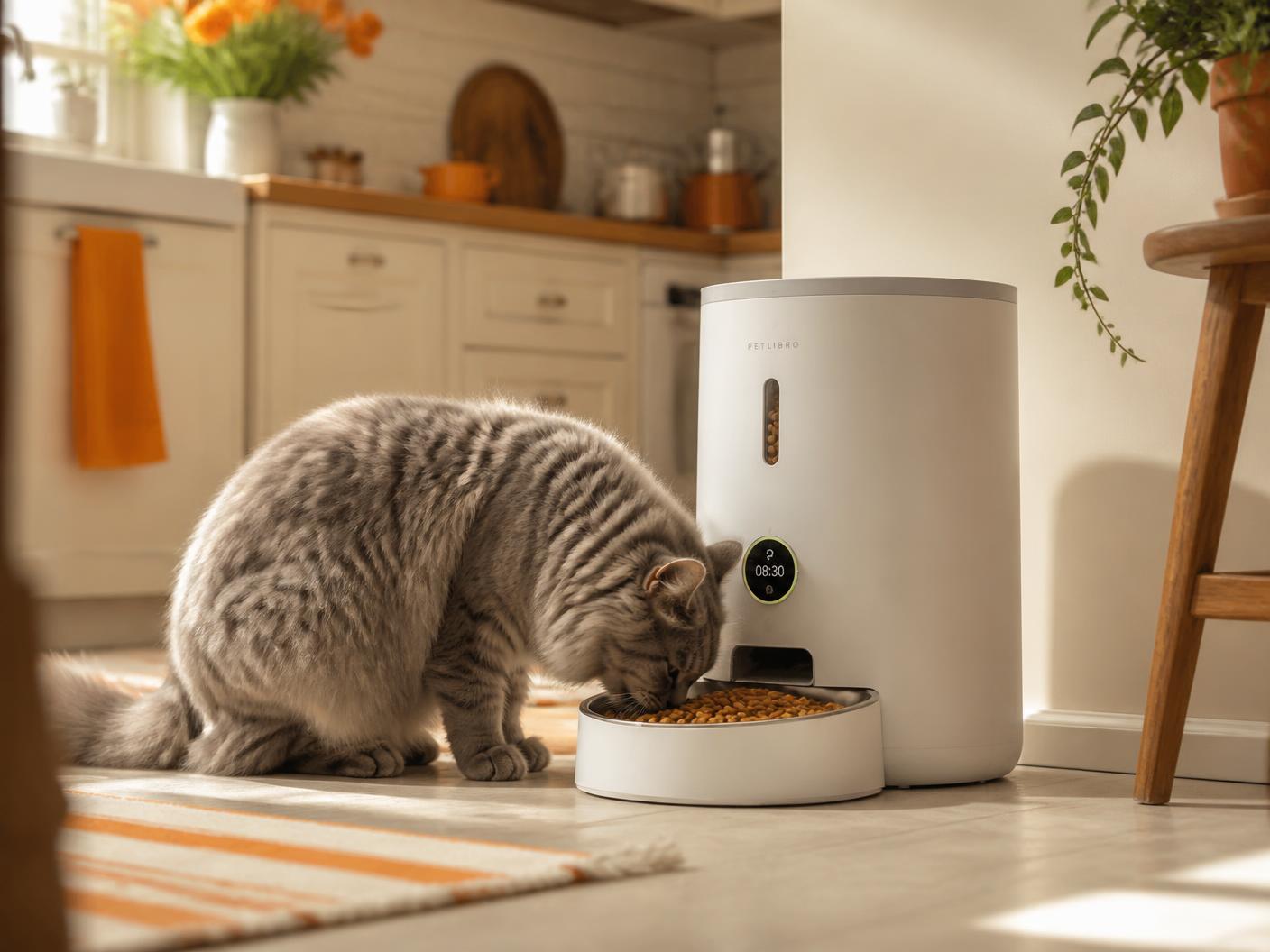
Next meal 18:00
42 g portion, two bowls scheduled
Why KittyEats
A short, considered range instead of endless listings. Every feeder is chosen for build quality, quiet running and parts you can actually clean.
Capacity, power backup, app control, camera and wet food support laid out in one table so you can see the real differences at a glance.
Practical notes on portion sizes, meal timing and switching a cat from bowl grazing to set mealtimes, written in plain English.
Stocked lines dispatched the same working day where possible, with tracked delivery and a simple 30 day returns window.
Feeder comparison
Filter by the features you need, then pin up to three feeders to compare them side by side. Sample range and illustrative prices for this demo.
Showing 8 of 8
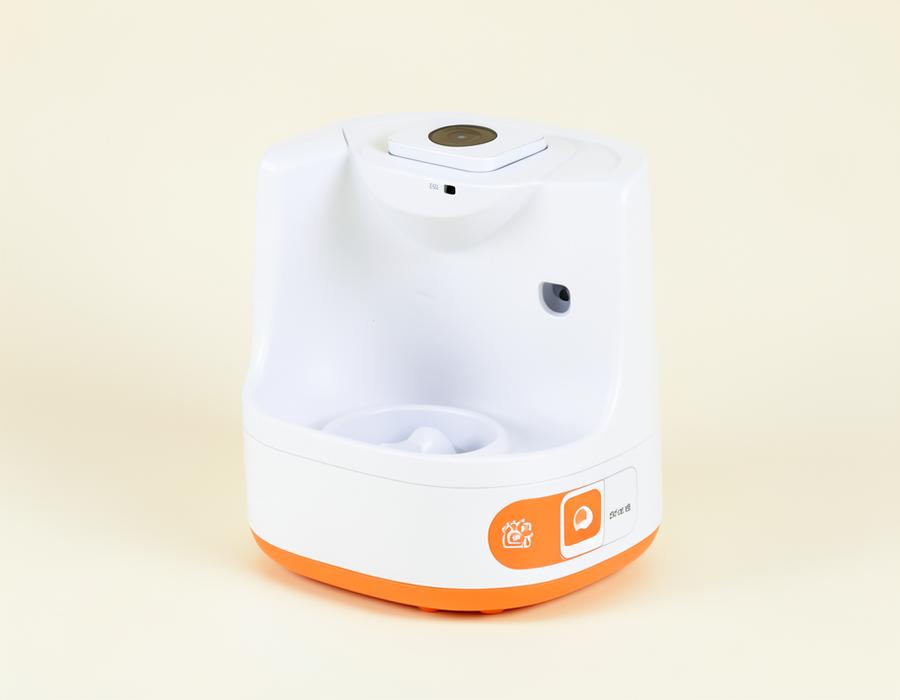
A dependable timer feeder for one cat on dry food.
£49
Two bowls, one hopper, portioned to the gram.
£89
App control plus a 1080p camera and two-way audio.
£139
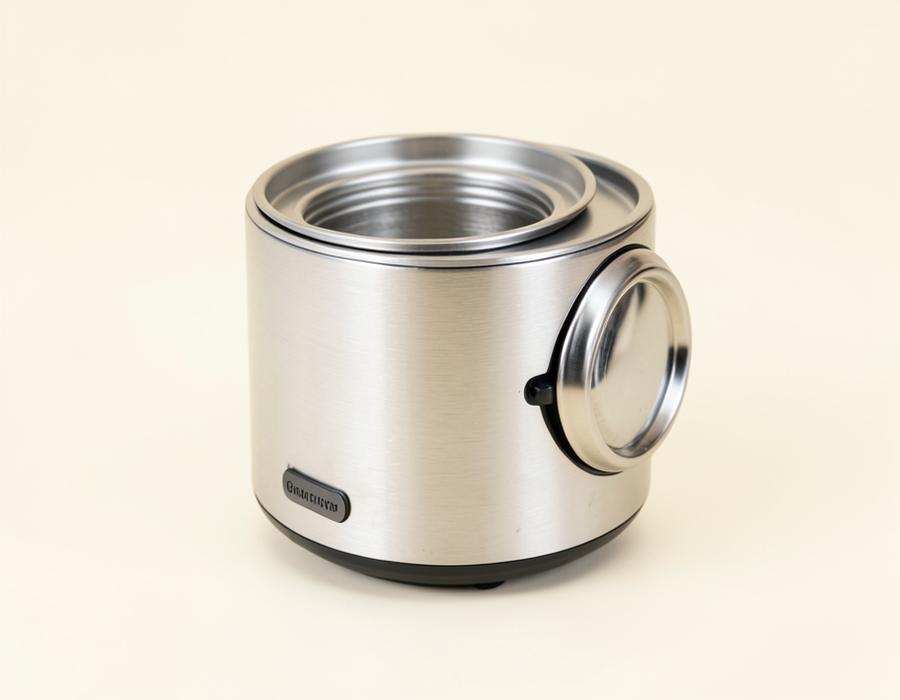
Five chilled trays for wet food across a long day out.
£119
Wet food scheduling you can change from your phone.
£169
Microchip lid so each cat only reaches its own meal.
£199
A high-capacity dry feeder for a busy household.
£149
A quiet circulating fountain to pair with any feeder.
£39
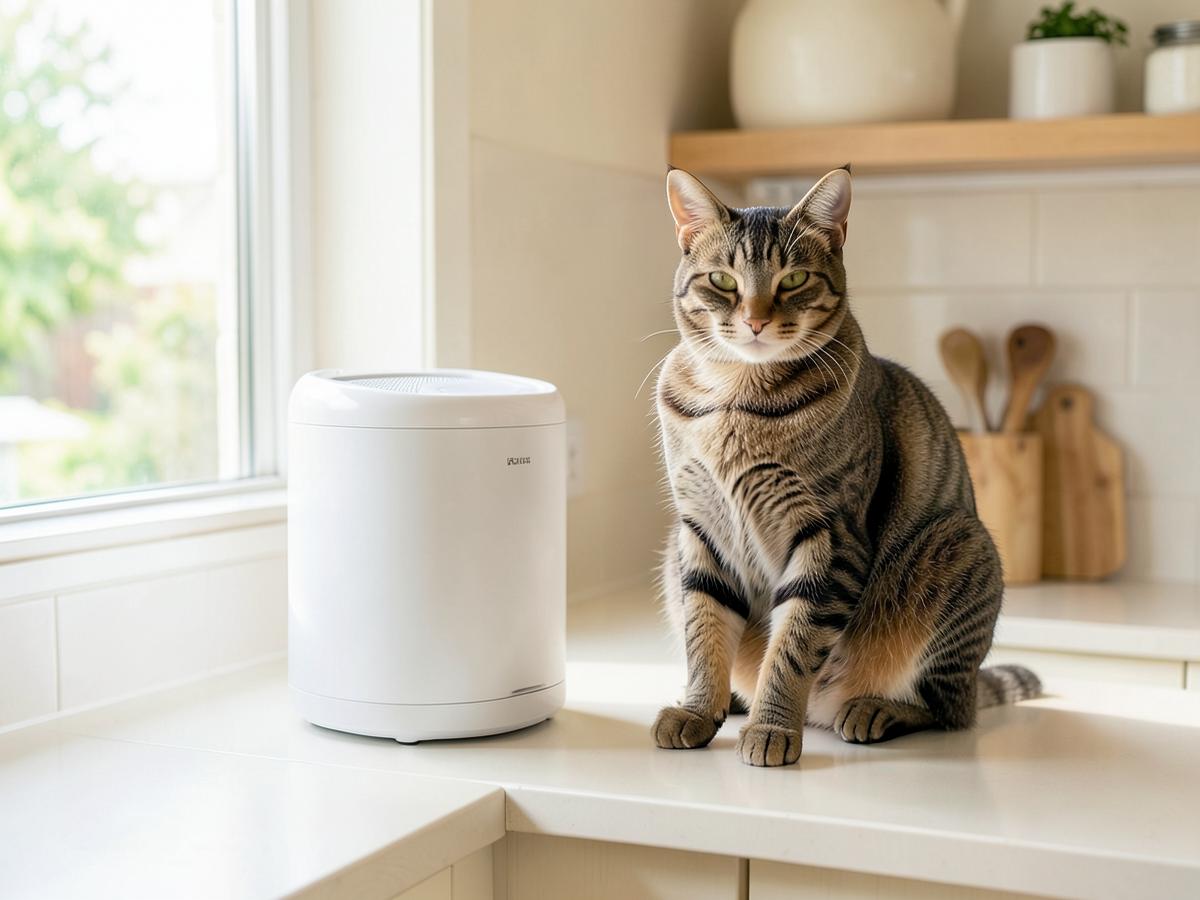
How it works
Buying guide
Short, practical articles on the decisions that matter most, plus a rough portion calculator to get you started.
Dry food is the easy case. A sealed hopper keeps kibble crisp, a gravity chute drops the portion and most units hold one to three weeks of food. Look for a desiccant compartment and a chute wide enough for the kibble shape you buy, because very large or very flat pieces jam narrow chutes.
Wet food needs a different design: sealed trays, a cooling element and a lid that only opens at the scheduled time. Tray feeders hold fewer meals, so they suit a working day rather than a week away. If your cat eats both, many owners run a tray feeder for wet meals and a small hopper for a dry top-up.
Whichever you choose, check how the bowl comes apart. Anything you cannot rinse in under a minute tends to stop being cleaned properly.
A rough starting range for dry food at about 380 kcal per 100 g.
Suggested daily portion
60 to 75 g
Around 260 kcal per day, split across two to four meals.
Guide only. Every cat, food and life stage differs, so always follow the feeding chart on your food and your vet's advice.
About the name
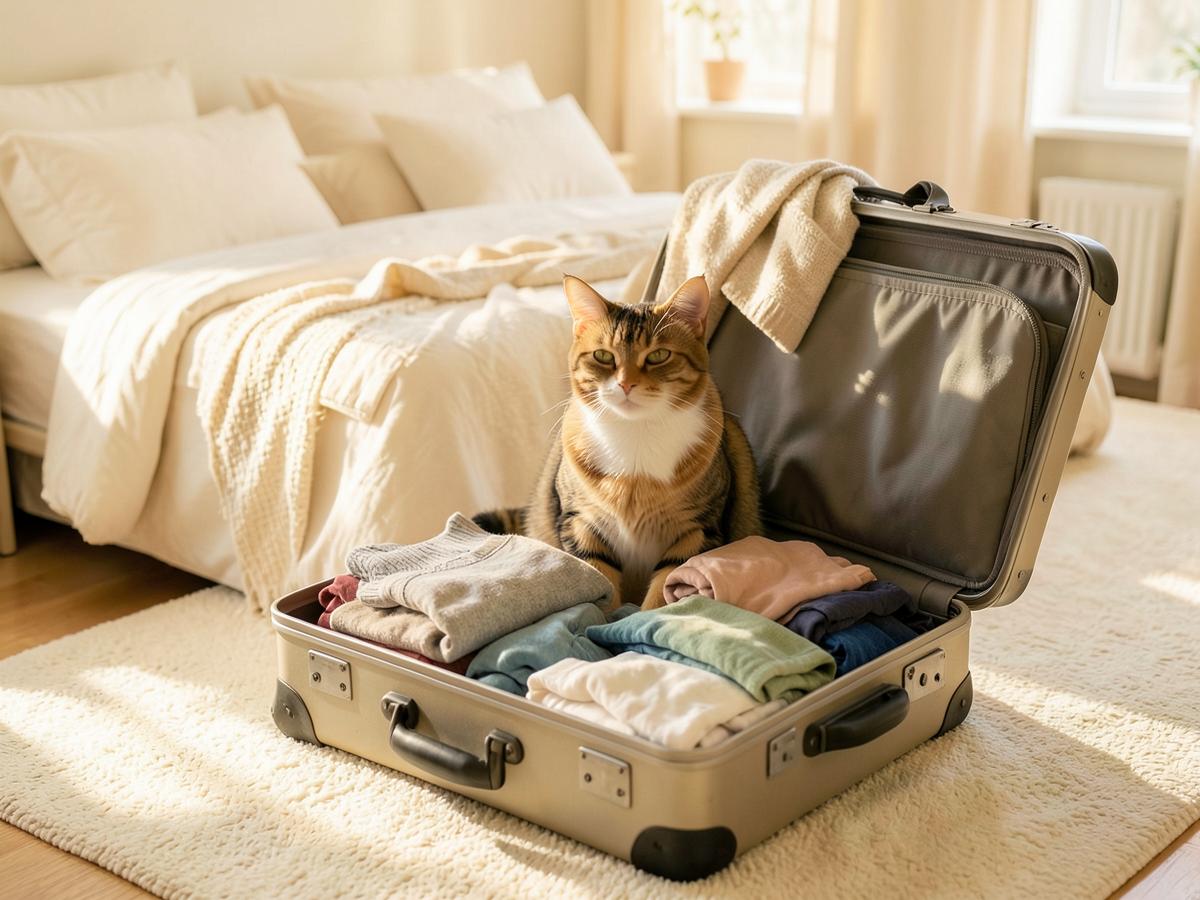
KittyEats joins the English words kitty and eats. Read it once and you already know what the site is for: your cat, and the business of getting fed.
That matters in a category full of invented product names. Nobody has to be taught what KittyEats sells, which makes it easy to say out loud, easy to spell after hearing it, and easy to remember a week later.
The name is warm rather than clinical, which suits how most owners talk about feeding time. It also stretches comfortably beyond feeders to fountains, portion tools and feeding advice without needing a rebrand.
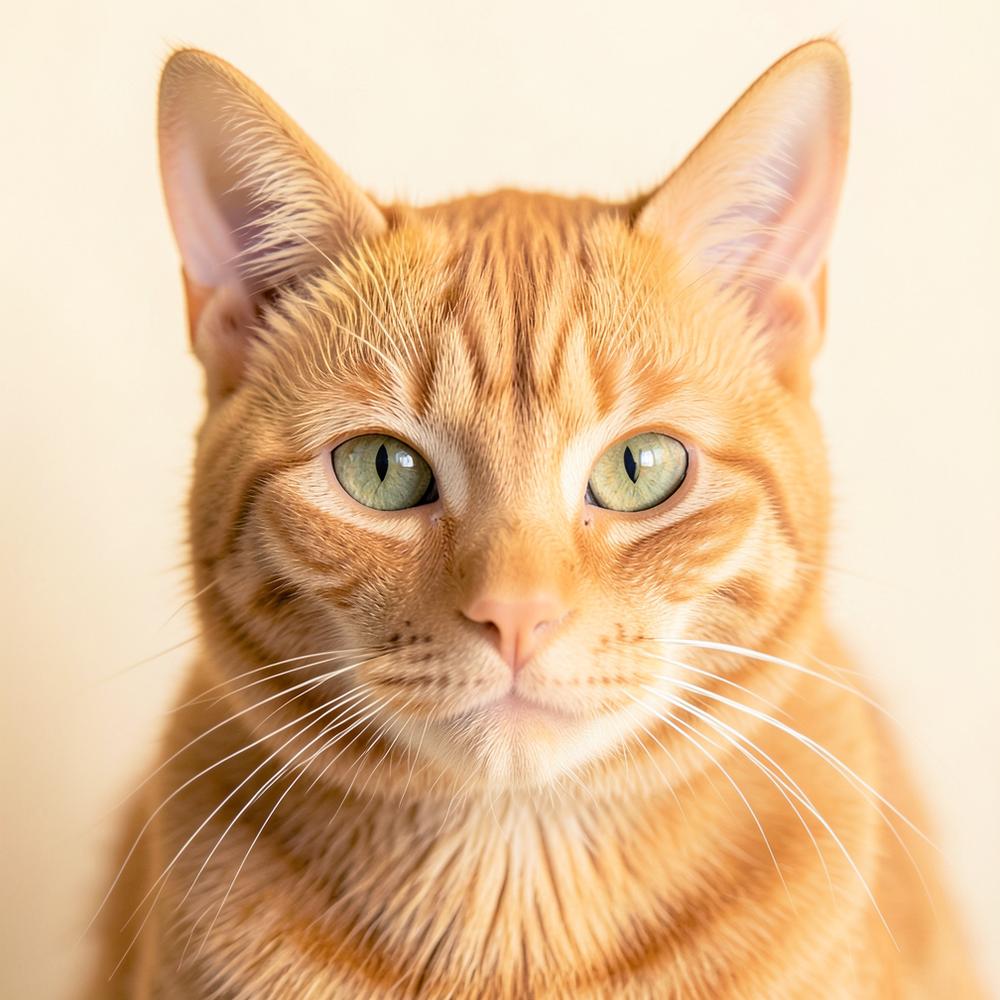
kitty + eats = kittyeats.com
FAQ
Straight answers on food types, power cuts, multi-cat homes and how this demo works.
Get in touch
Not sure whether you need a hopper, a tray feeder or a microchip lid? Describe your setup and we will point you at the right two or three options.
Illustrative situations, not real customers.
Prefer email? info@exergist.com